

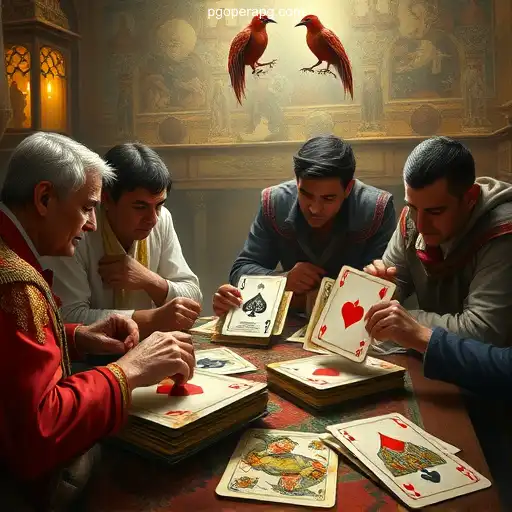
Unveiling the Intricate World of Card Games
The Historic Roots of Card Games
Card games have been an integral part of human culture for centuries. Originating in ancient China, they slowly made their way to India, Persia, and eventually to Europe. Initially crafted on thin pieces of wood or ivory, these cards have transformed drastically over the years, both in design and purpose.
In Europe, card games gained immense popularity during the 14th century, with regions developing their unique styles and rules. The introduction of printing technology catalyzed this spread, making cards more accessible to the masses. This democratization played a significant role in embedding card games within the cultural fabric of societies across the globe.
Diverse Types of Card Games
Classic Favorites
Card games are not monolithic; they come in a plethora of forms and complexities. Classic games like Poker, Bridge, and Rummy have captivated audiences for generations. Each of these games demands a unique skill set, combining strategy, psychology, and in some cases, sheer luck.
Bridge is often hailed as the epitome of strategic card games. Played by millions worldwide, it is not merely a game but a testament to teamwork and tactical prowess. Players must constantly read the game, anticipate moves, and adjust strategies accordingly.
Modern Innovations
Modern card games, such as Magic: The Gathering, have introduced elements of fantasy and storytelling into the mix. These games emphasize creativity and often require players to build or customize their decks, adding layers of personalization and strategy.
In recent years, the digital evolution of card games has opened new horizons. Platforms like OPERAPG.COM – Apostas Rápidas, Pix Instantâneo e Lucros Reais💸 have integrated technology to enhance gameplay experiences, offering instantaneous results and real-time betting options.
The Online Revolution
The digital transformation of card games has redefined how enthusiasts interact with their favorite pastimes. Online platforms enable players from different corners of the world to compete and collaborate, breaking geographical barriers and fostering a global community.
Online poker has particularly surged in popularity, drawing vast audiences to its virtual tables. The convenience of playing from home, coupled with the thrill of competing against international opponents, has contributed to its growing appeal.
Moreover, websites like OPERAPG.COM introduce innovative features such as rapid betting and instant transactions through Pix, appealing to a tech-savvy generation eager for quick and tangible results.
The Impact of Technology on Card Game Dynamics
Technology has not only changed how card games are played but also how they are perceived. With advanced algorithms and improved graphics, virtual card games offer immersive experiences that rival traditional gameplay.
These technological advances have facilitated fairness and transparency, crucial in maintaining player trust. Automated systems for shuffling and dealing negate human errors and biases, ensuring a level playing field.
Skill Development and Mind Games
Card games are much more than mere sources of entertainment. They are tools for skill development, enhancing cognitive abilities and critical thinking. In games like Poker, players must constantly assess risks, read their opponents, and decide based on incomplete information.
Such mental exercises sharpen one's decision-making skills and promote patience and discipline. Moreover, the social aspect of card games helps in building communication skills and forging interpersonal connections.
A Global Cultural Phenomenon
Card games have successfully transcended cultural and linguistic barriers, becoming a universal pastime. Events like the World Series of Poker attract participants from all over the globe, highlighting the shared enthusiasm across different cultures.
In many societies, card games are ingrained as traditional practices passed down through generations. They serve as bonding activities during gatherings, bringing people together for shared enjoyment and competition.
Future Prospects of Card Games
The future of card games looks promising, with continuous innovation and integration of new technologies. Virtual reality and augmented reality present new possibilities, offering even more interactive and realistic gaming experiences.
Furthermore, platforms such as OPERAPG.COM are likely to continue shaping the future landscape, with their emphasis on quick transactions and real-time gameplay resonating with the fast-paced lifestyle of modern gamers.
Overall, card games remain a dynamic and evolving domain, captivating audiences with their blend of tradition and modernity. As they continue to evolve, their universal appeal ensures they will remain a staple in entertainment for generations to come.